Research
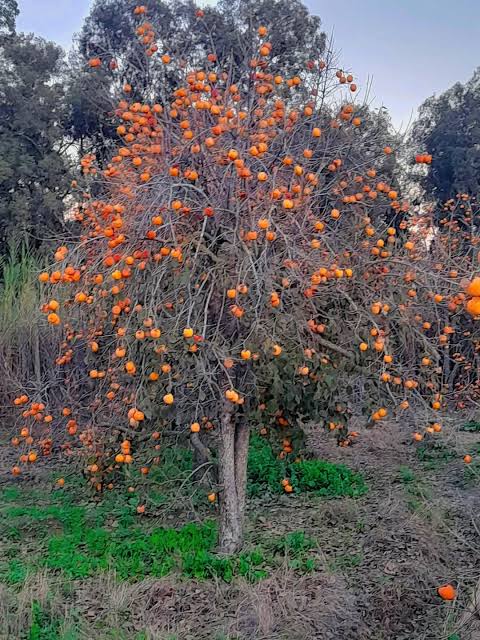
All Health Benefits of Persimmon
Persimmon, also known as Trabzon hurması or Mediterranean persimmon, is an orange-colored, sweet, and nutritious fruit. Thanks to its strong antioxidant content, it supports the immune system and protects the body from the harmful effects of free radicals. It supports eye health; with its high vitamin A and beta-carotene content, it protects vision health and reduces the risk of night blindness. It supports cardiovascular health; with its potassium and fiber content, it balances blood pressure and helps lower bad cholesterol. It supports the digestive system; thanks to its high fiber content, it prevents constipation and protects intestinal health. It strengthens the immune system; with its high vitamin C content, it shows a protective effect against colds and flu. It is good for anemia; with its iron and folic acid content, it supports red blood cell production. It supports bone health; with its calcium, magnesium, and phosphorus content, it contributes to strengthening bones. It protects skin health; with its antioxidant and vitamin content, it helps skin renewal and delays signs of aging. It contributes to blood sugar balance; thanks to its fibrous structure, it slows down the absorption of sugar into the blood. It reduces stress and fatigue; thanks to the vitamins and minerals it contains, it provides energy and supports the nervous system. It also facilitates edema removal with its diuretic property and helps remove toxins from the body.
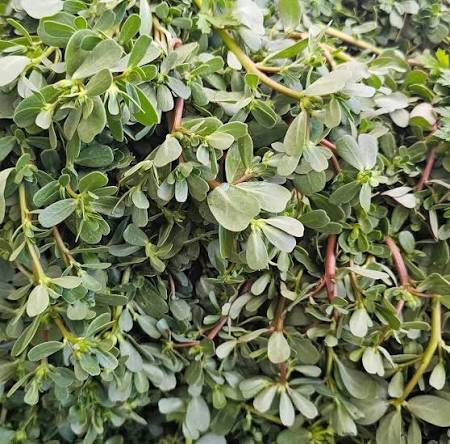
All Health Benefits of Zemiz Otu (Purslane) Plant
Zemiz otu, commonly known as semizotu, pirpirim, or pırpırım, is a nutritious plant from the Portulaca oleracea family. It is known for its high omega-3 fatty acid content, which rivals that of fish. It supports cardiovascular health; thanks to its unsaturated fatty acids, it helps lower bad cholesterol and protect vascular health. It supports the digestive system; with its high fiber content, it regulates bowel movements, prevents constipation, and relieves stomach burning. It strengthens the immune system; with its vitamin A, C, and E content, it fights free radicals and supports cell renewal. It supports bone and dental health; it is a good plant-based source of calcium. Thanks to its diuretic property, it facilitates edema removal and contributes to kidney health. It soothes the nervous system; with its calming effect, it is good for sleep problems. It protects skin health and, with its antioxidant properties, helps delay signs of aging. With its low-calorie structure, it supports weight control and increases the feeling of fullness. It also contributes to the health of internal organs with its blood-cleansing property.
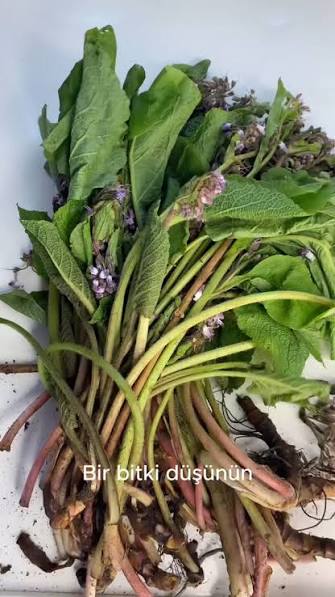
All Health Benefits of Kaldirik (Hodan) Plant
Kaldirik, also known as "hodan" or "zulbut" in the Black Sea region, is a nutritious wild plant from the Boraginaceae family. Thanks to its strong antioxidant content, it supports the immune system and protects the body from the harmful effects of free radicals. With its expectorant property, it is good for cough, throat, and tonsil ailments; it is especially beneficial for smokers. It supports the digestive system; it regulates bowel movements, prevents constipation, and contributes to stomach health. Thanks to its anti-inflammatory properties, it helps reduce inflammation in the body. It supports cardiovascular health; with its potassium and magnesium content, it contributes to blood pressure regulation. It supports bone health and contributes to bone development. Thanks to its diuretic property, it stimulates the kidneys and cleanses the urinary tract. It contributes to blood sugar balance and is said to be good for diabetes. It plays a role in relieving problems such as stress, insomnia, and depression; it supports the nervous system. It improves skin health and supports cell renewal.
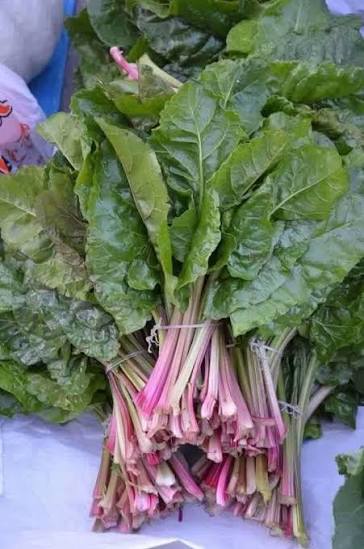
All Health Benefits of Black Sea Pazı (Pazuk) Plant
Pazı, known as "pazuk" in the Black Sea region, is a nutritious leafy vegetable from the Chenopodiaceae family. Thanks to its strong antioxidant content, it supports the immune system and protects the body from the harmful effects of free radicals. It supports the digestive system; thanks to its fibrous structure, it prevents constipation and facilitates digestion. It supports cardiovascular health; thanks to the nitrate it contains, it helps prevent blood clotting and helps reduce the risk of heart attack. It contributes to blood sugar balance and may help reduce the risk of diabetes. It supports bone and dental health; with its high calcium, magnesium, and vitamin K content, it contributes to strengthening bones. It is good for anemia; thanks to its iron content, it supports red blood cell production and reduces fatigue. It protects eye and skin health; with its vitamin A and C content, it supports vision health and helps skin renewal. Thanks to its diuretic property, it is good for urinary tract inflammation. It strengthens the immune system; with its rich content of vitamins A, C, D, and K, it shows a protective effect against winter diseases.
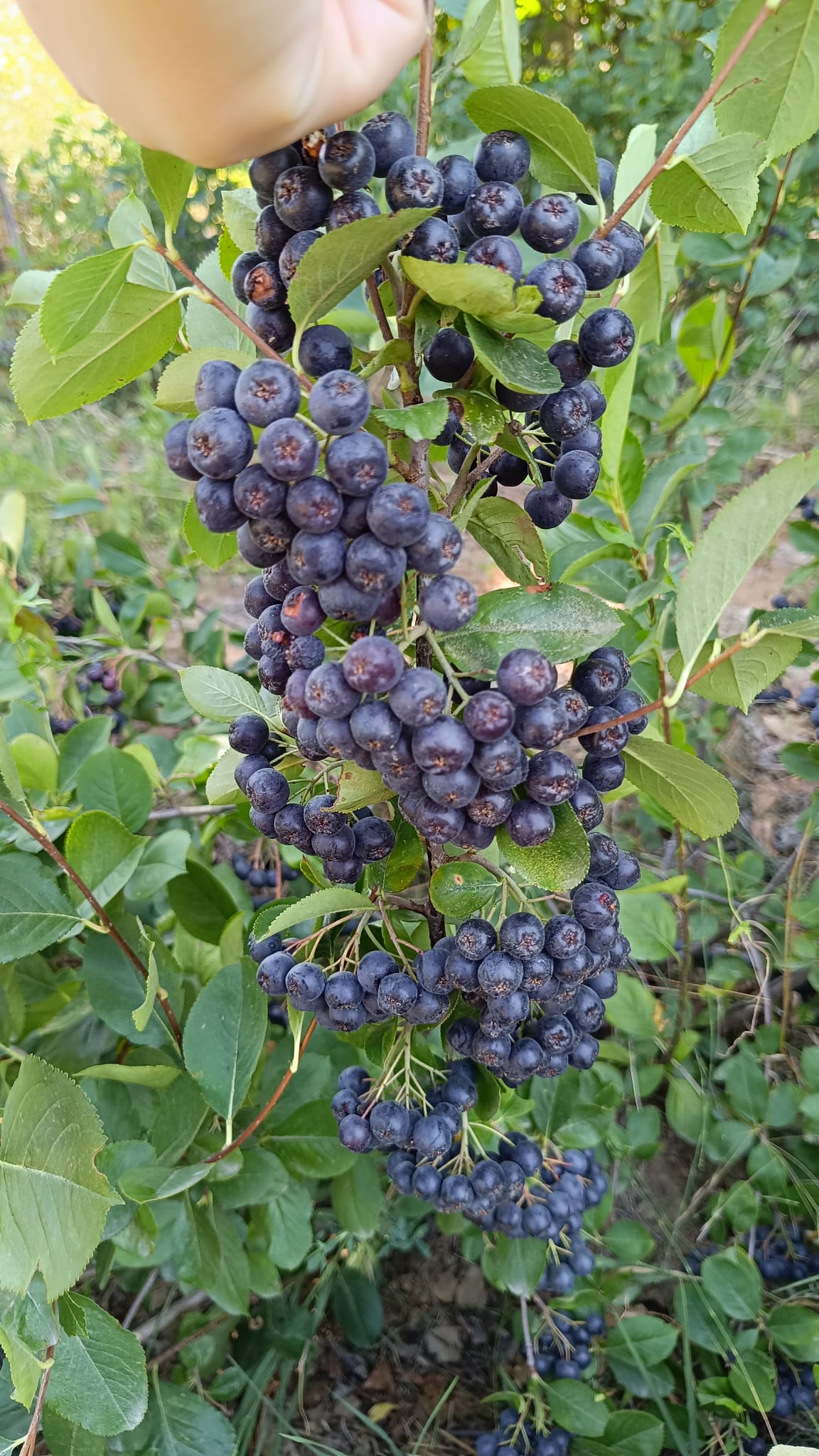
All Health Benefits of Aronia Plant
Thanks to its strong antioxidant content, aronia supports the immune system and protects the body from the harmful effects of free radicals. It supports cardiovascular health; it balances cholesterol levels and helps regulate blood pressure. It contributes to blood sugar balance and may help reduce the risk of diabetes. Thanks to its anti-inflammatory properties, it helps reduce inflammation in the body. With its high vitamin C content, it supports skin health and contributes to delaying signs of aging. It supports the digestive system; it helps protect stomach and intestinal health. It protects eye health and may be effective in reducing the risk of vision loss. It supports liver health and helps remove toxins from the body. It helps with weight control; it supports fat burning by speeding up metabolism. It may have a protective effect in reducing cancer risk and supports cell renewal.
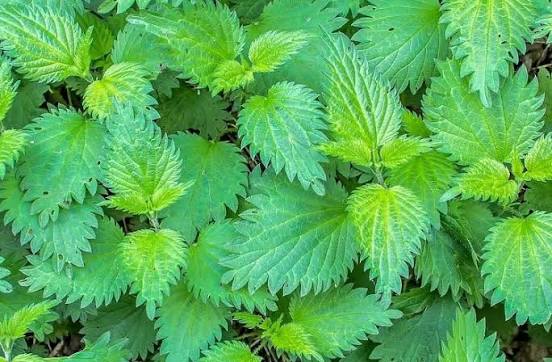
The Benefits of Stinging Nettle: Nature's Miracle for Healing and Agriculture
Stinging nettle (Urtica dioica), often dismissed merely as a weed that stings the skin, is a plant with incredible potential for both human health and organic farming. Based on my observations in village life and agricultural research, here are its prominent benefits: • Rich Nutrient Profile: It is packed with vitamins A, C, and K, as well as essential minerals like iron, magnesium, and calcium. When consumed as tea or in meals, it significantly boosts the immune system. • Anti-cancer Potential & Cell Regeneration: Thanks to its high antioxidant content, it fights free radicals and acts as a protective shield against cellular mutations. It stands out as a promising natural supplement in medical research, particularly concerning prostate cancer and overall cell regeneration. • Anti-inflammatory Properties: It has been used for centuries in traditional medicine to alleviate joint pain, osteoarthritis, and rheumatoid conditions. • Natural Allergy Relief: It helps reduce hay fever symptoms by inhibiting histamine production and works as an excellent detoxifier for the body. • Organic Fertilizer: It is beneficial not only for humans but also for our soil. Fermented nettle water, made by soaking nettles in water, is incredibly rich in nitrogen. It serves as a perfect natural fertilizer and an organic pesticide for crops. Utilizing this free resource provided by nature for both our health and sustainable agricultural projects is one of the best ways to live in harmony with the environment.